
| Modality | Online (own) |
|---|---|
| Duration | 1 Year |
| Language | Spanish |
| Places available | 40 |
| Credits | 60-ECTS |
| Start Date | 05 October 2026 |
| Schedule | Weekly sessions: from 7:00 p.m. to 10:00 p.m., through the Virtual Campus and through videoconferences that can be followed in real time in person at the University or electronically. |
| Location | Barcelona |
| International Stage | Barcelona-Spain |
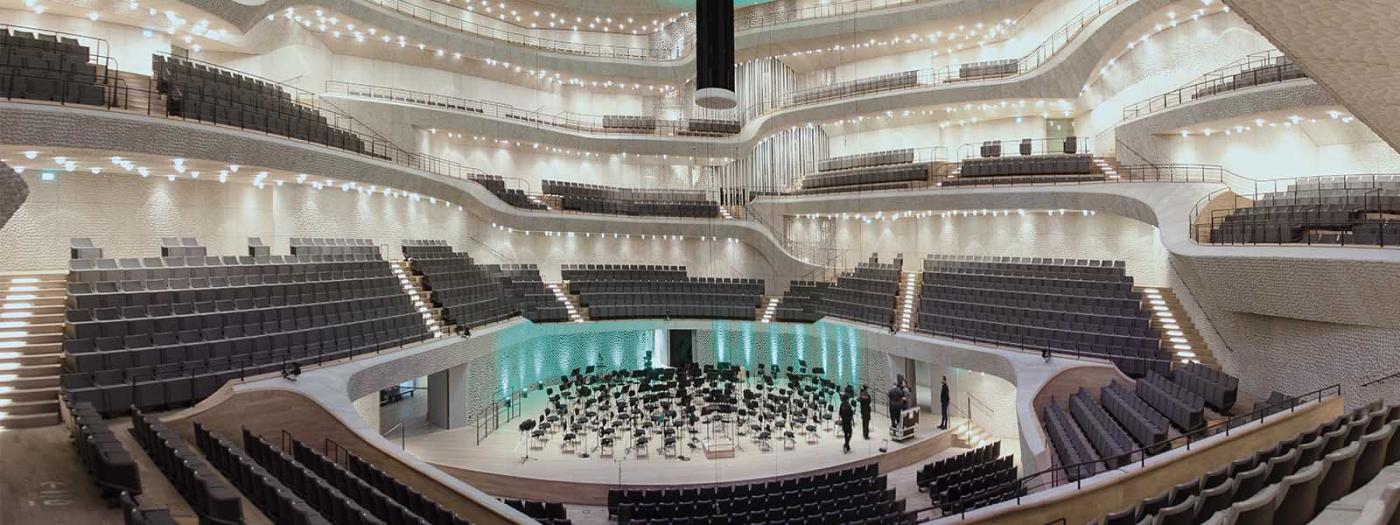
What if you could design not only how a space looks, but how it feels, sounds and is experienced?
Specialise in architectural and environmental acoustics through technical, applied and career-focused training covering room design, sound insulation, noise control, vibrations and acoustic impact studies.
You will learn through real cases, measurements, simulations and practical work with specialised equipment on the Barcelona Campus, including the reverberation chamber, anechoic chamber, Class 1 sound level meters, multichannel analysers and acoustic and vibration measurement systems.
With more than 20 years of experience, the Master's Degree in Architectural and Environmental Acoustics at La Salle-URL prepares you to make an impact in a field that is key to quality of life, regulatory compliance and the creation of more comfortable, healthy and sustainable spaces.
The master's degree offers specialised, applied training in a field that is becoming increasingly relevant as regulatory requirements grow, social awareness of noise increases and the need to design more comfortable, functional and sustainable spaces becomes more urgent. The programme covers room acoustics design, sound insulation, noise control, vibrations, noise pollution and environmental impact studies, combining theoretical foundations, calculation methods, measurement procedures, specialised software and professional application.
The master's degree is structured around two postgraduate programmes - Architectural Acoustics and Environmental Acoustics - and is delivered in a blended format, with live online sessions and an in-person stage in Barcelona for practical work, exams, visits and technical sessions. During the programme, you will work with specialised equipment and facilities such as the reverberation chamber, anechoic chamber, Class 1 sound level meters, multichannel analysers, microphones, accelerometers, an impact machine, vibration exciter and dodecahedral loudspeaker. You will also learn from an expert faculty of active professionals including Ivana Rossell, Alessandro Ratto, Josep Martí Roca, Sergi Soler, Eduard Puig, Josep Martí Carceller and Rafael Torres, whose work spans consultancy, acoustic engineering, environmental acoustics, building and vibration control.
Why study at La Salle-URL?
Because the world needs professionals who can understand technology, question it and use it to create real impact.
Challenge-based learning with real-world projects
You will work on real projects and situations that bring you closer to the professional environment from day one.
A transdisciplinary ecosystem
You will collaborate with people from engineering, technology, architecture and business to learn how to solve complex challenges from different perspectives.
Technology with purpose
You will apply data, artificial intelligence and digital tools to develop solutions connected to the real needs of companies and society.
Direct connections with industry
You will engage with professionals, companies and projects that bring you closer to the job market and its real needs.
Barcelona as a living laboratory
You will study in a leading city for technology, entrepreneurship and innovation, connected to some of Europe's most dynamic digital and creative ecosystems.
Frequently Asked Questions about the Master in Architectural and Environmental Acoustics (FAQS)
Why study a master's degree in Architectural and Environmental Acoustics?
Because noise, acoustic comfort and the quality of spaces are increasingly important challenges across architecture, industry, cities and the environment. This master's degree prepares you to design, measure and assess acoustic solutions with a technical, professional perspective focused on regulatory compliance.
What makes this master's degree different from other acoustics programmes?
Its specialised, career-focused approach, with more than 20 years of experience, faculty who are active professionals and access to unique facilities and equipment on the Barcelona Campus. You will work with a reverberation chamber, anechoic chamber, Class 1 sound level meters, multichannel analysers and acoustic and vibration measurement systems.
Who is the Master's Degree in Architectural and Environmental Acoustics for?
It is designed for engineers, qualified architects and other technical or scientific profiles, including graduates in Physics, Chemistry or Environmental Sciences, as well as experienced professionals in the sector. It is intended for those who want to specialise in acoustics from an applied, professional perspective.
What will you learn during the master's degree?
You will learn to design rooms with high acoustic quality, create sound insulation solutions, assess noise pollution, control noise and work with vibrations. You will also gain a theoretical foundation, calculation methods, measurement procedures and experience using specialised software to apply solutions to real cases.
How is the programme structured?
The master's degree is structured around two postgraduate programmes: the Online Postgraduate Programme in Architectural Acoustics and the Online Postgraduate Programme in Environmental Acoustics. At the end of the programme, you will complete a compulsory in-person stage in Barcelona, which includes practical work, exams, technical visits and the presentation of your final project.
What career opportunities are available in architectural and environmental acoustics?
You can build your career in acoustic consultancy and engineering, architecture, construction, industry and the environmental sector. The master's degree prepares you to work on projects involving acoustic conditioning, sound insulation, noise control, acoustic impact and noise pollution.
Can the master's degree be combined with professional work?
Yes. The master's degree is delivered in a blended format, with weekly sessions from 19:00 to 22:00 via the Virtual Campus and live videoconferences. This structure makes it easier to balance work and family life, although you must attend the in-person stage in Barcelona at the end of the programme.
What equipment will you work with during the master's degree?
You will have access to multichannel analysers, Class 1 CESVA and Brüel & Kjær sound level meters, transducers, microphones, accelerometers, an impact machine, a vibration exciter and dodecahedral loudspeaker. In other words: you are not here just to "understand noise"; you are here to measure it, analyse it and solve it.

Collaborators


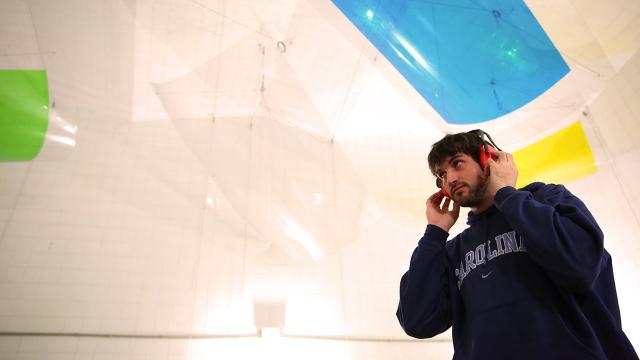
Acoustic measurements with professional equipment.
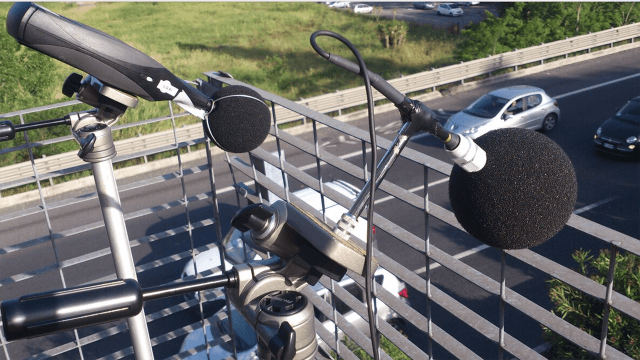
You will be trained in environmental acoustics.
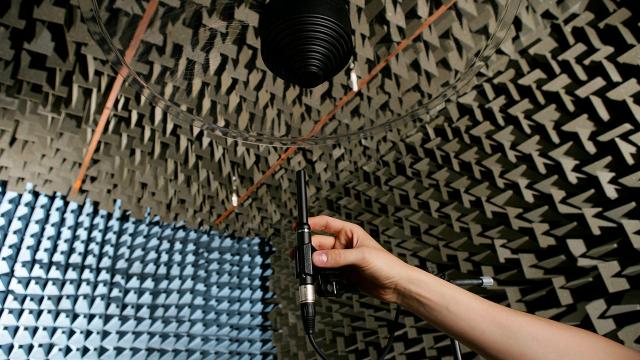
You will be trained in architectural acoustics.